Optometrist vs. ophthalmologist: which eye doctor do you need?
Not sure which eye doctor to see in Uyo? Here is a plain-English guide to the difference between an optometrist and an ophthalmologist, and how to choose.

When something feels off with your eyes, the first hurdle is often deciding who to see. Optometrist, ophthalmologist, optician, eye doctor. The titles sound similar and the roles overlap, which leaves many people in Uyo unsure where to start.
Here is a clear breakdown of what each specialist does, when to see whom, and how primary optometric care at Canon Eye Clinic fits in.
What is an optometrist?
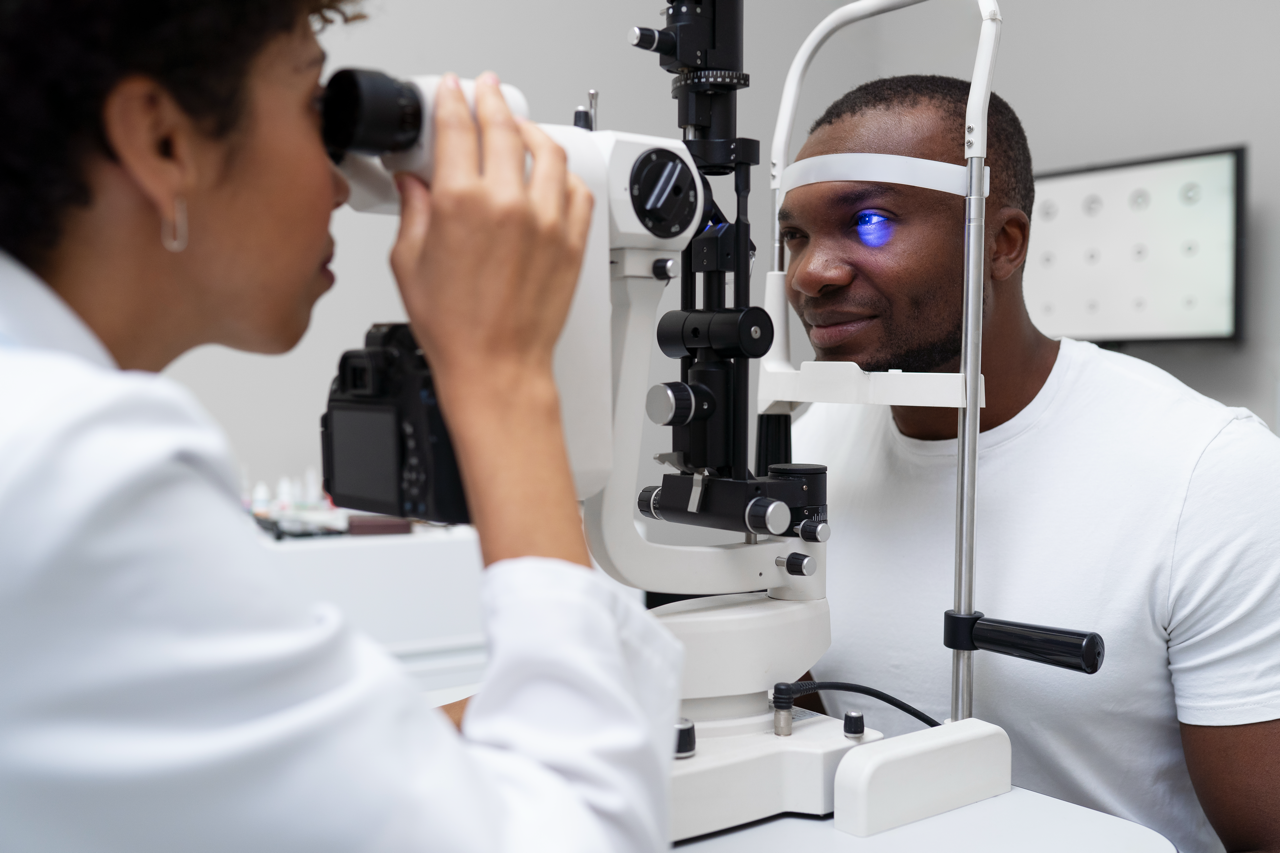
An optometrist is a primary eye care doctor. After a Doctor of Optometry degree and supervised clinical training, optometrists are licensed to examine the eyes, test vision, diagnose common eye conditions, prescribe glasses and contact lenses, and manage many ocular health problems with medication.
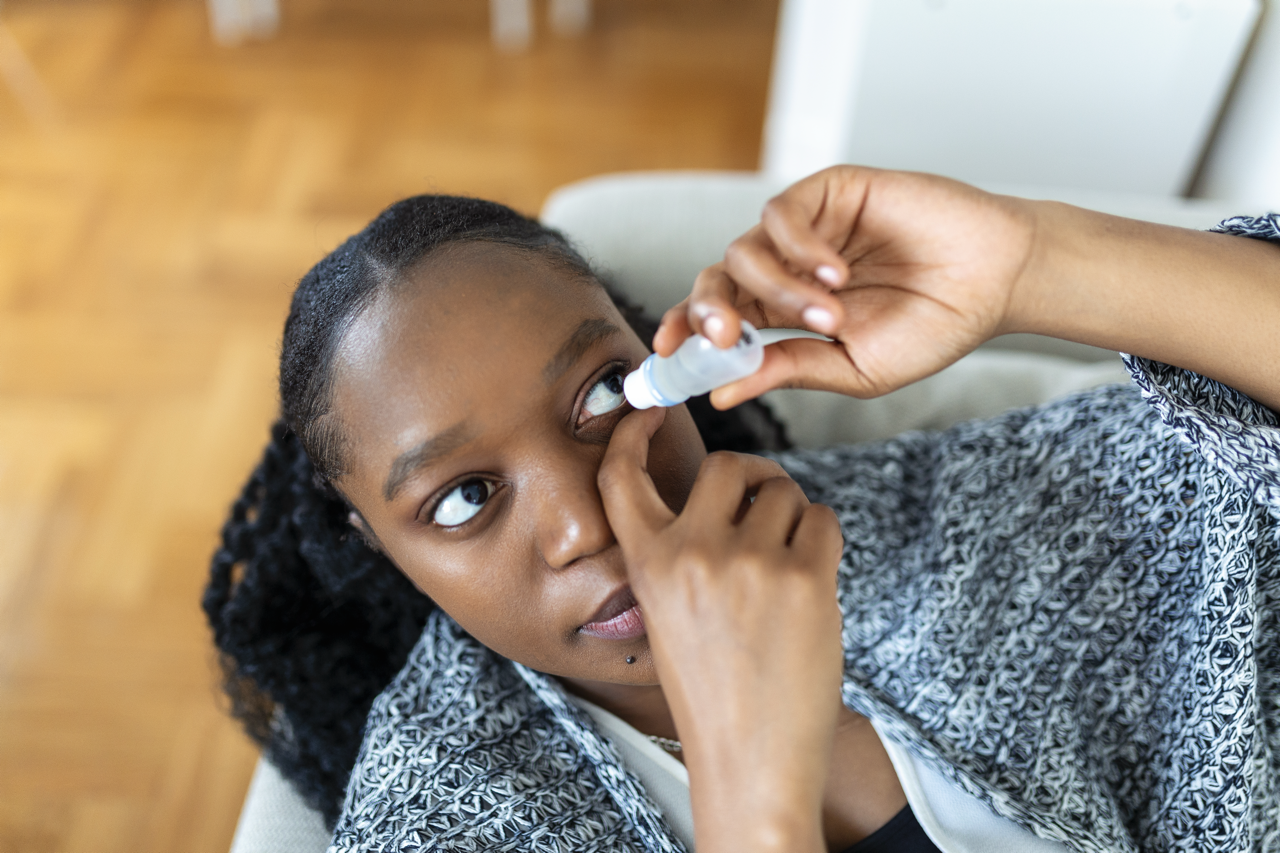
For most people, the optometrist is the first and most frequent eye doctor they will ever see. Routine eye exams, glasses, contact lenses, dry eye, red eye, screen-related strain, paediatric vision checks, glaucoma screening and diabetic eye monitoring all sit comfortably in optometric practice.
What is an ophthalmologist?
An ophthalmologist is a medical doctor who has completed medical school followed by a residency in ophthalmology. They are trained to perform eye surgery and to manage complex or advanced eye disease that goes beyond routine care.
Cataract removal, retinal surgery, corneal transplants, advanced glaucoma surgery and laser refractive procedures are ophthalmology territory. When a patient needs that level of intervention, the optometrist refers directly to a trusted ophthalmologist and stays involved in the long-term care.
And the optician?
An optician is not an eye doctor. Opticians are technicians trained to fit and dispense glasses and contact lenses from a prescription written by an optometrist or ophthalmologist. A good optician makes a big difference to how your glasses feel and perform, but they do not examine the eye or write prescriptions.
Which one should you see first?
For nearly every everyday concern, start with an optometrist. That includes blurry vision, headaches after screens, a new prescription, contact lens fitting, dry or itchy eyes, mild red eye, children's eye exams, and routine annual checks for adults and seniors.
Book an ophthalmologist when you already have a confirmed diagnosis that requires surgery, when you have a serious injury to the eye, or when your optometrist refers you for specialist work. Going straight to a surgeon for routine care is usually slower, more expensive and unnecessary.
Primary optometric care at Canon Eye Clinic
Canon Eye Clinic in Uyo is a primary optometric practice. Our optometrists handle comprehensive eye exams, refraction, contact lens fitting, paediatric vision care, dry eye, glaucoma screening and diabetic eye monitoring under one roof.
When advanced surgical care is needed, we co-manage your treatment with trusted ophthalmologists in Akwa Ibom and beyond, so you are never left to navigate the next step alone.
If you are unsure whether your concern needs an optometrist or an ophthalmologist, book a comprehensive exam with us. We will tell you honestly, and only refer you on when it is truly the right move.
Talk to our team at Canon Eye Clinic.
Book a consultation online or join our free screening this Saturday in Uyo.