What a glaucoma test costs in Nigeria and what actually happens
A plain breakdown of what glaucoma screening involves, how long it takes, what it costs in Nigeria, and who should be tested every year.
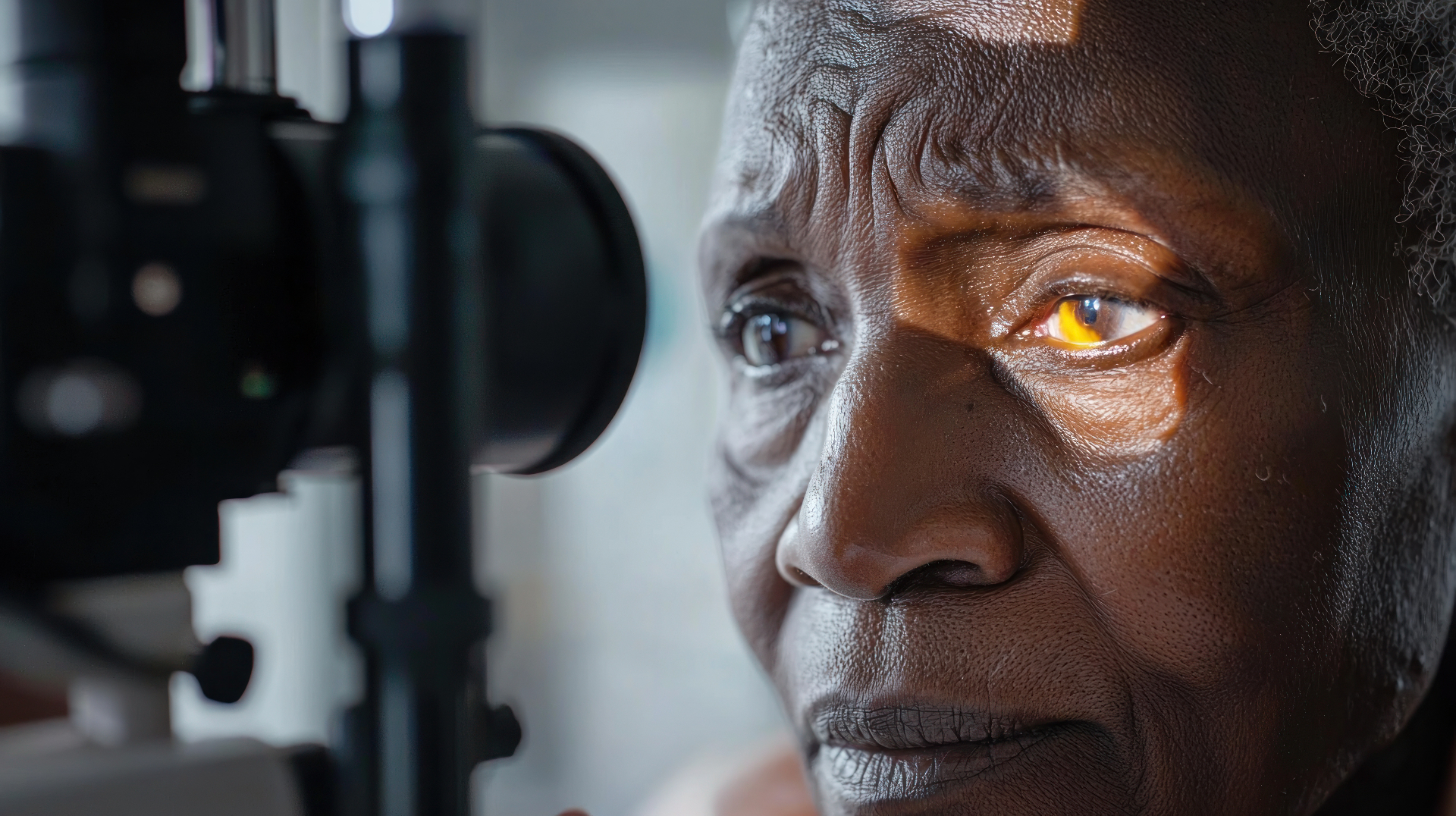
Glaucoma is the leading cause of irreversible blindness in Nigeria, and the vast majority of people who have it do not know yet. The test that finds it is quick, painless and inexpensive relative to what it prevents, yet most adults have never had one.
This article answers the questions patients ask us most often at Canon Eye Clinic in Uyo: what the test involves, how long it takes, what it costs, and who needs it.
What a glaucoma test actually involves
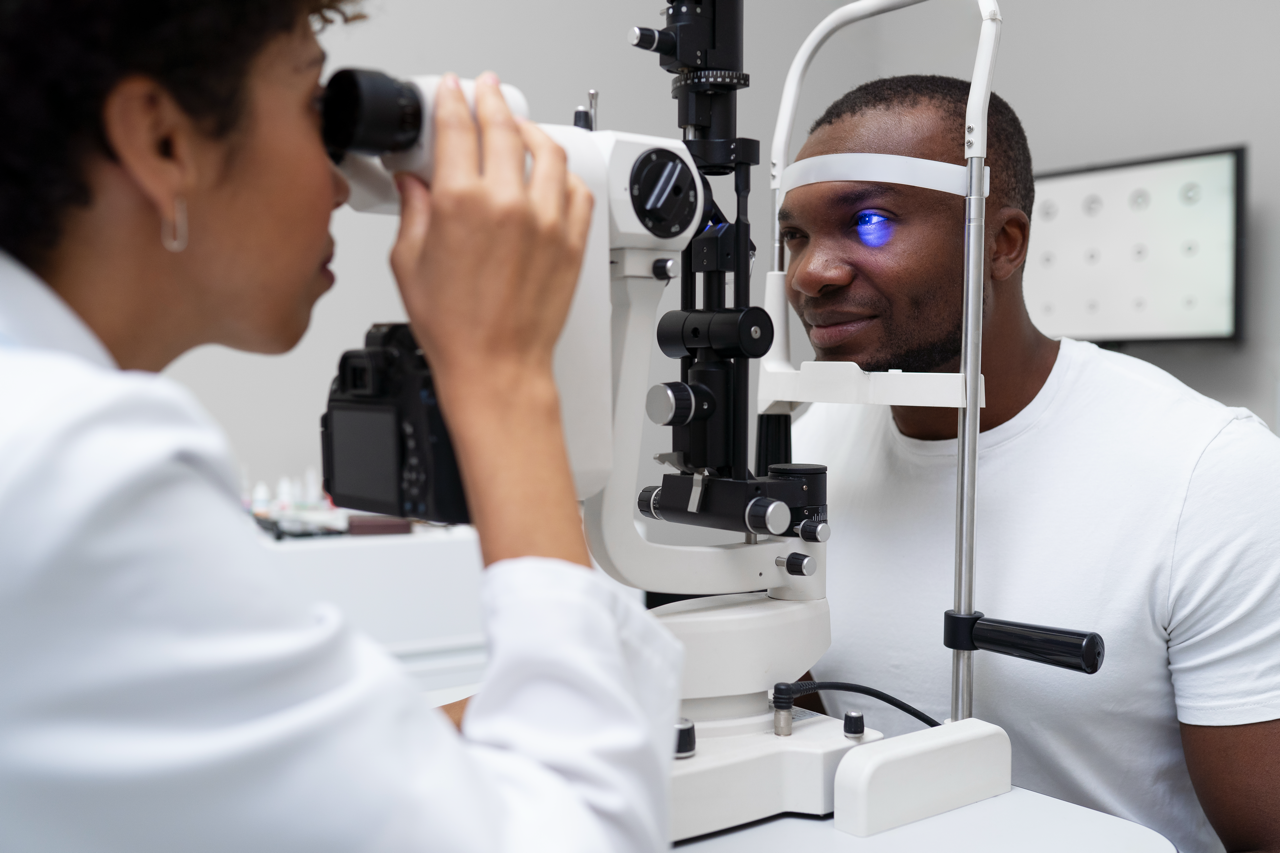
A glaucoma screening is not one test but a short series of checks, because no single measurement can confirm or rule out the condition on its own.
Tonometry measures the pressure inside your eye. We use a contact method with an anaesthetic drop, so you feel nothing beyond a cool sensation. Optic nerve assessment lets the optometrist look at the head of your optic nerve for the cupping pattern that glaucoma leaves behind. Visual field testing maps your side vision, since glaucoma takes the edges first. Where needed, we also check the drainage angle of the eye and the thickness of the cornea, because a thin cornea can make pressure readings read falsely low.
How long it takes
Budget about 30 minutes for a focused glaucoma screening, and 45 minutes to an hour if it is part of a comprehensive eye exam. If your pupils need dilating, add another 30 minutes of waiting and expect light sensitivity for a few hours, so bring sunglasses and ideally do not drive yourself home.
What it costs in Nigeria
Prices vary widely across the country. A basic pressure check at a small practice may cost a few thousand naira. A proper screening that includes tonometry, optic nerve assessment and visual fields typically runs higher, because it takes clinician time and equipment.
At Canon Eye Clinic our current pricing is published in full on the pricing page rather than in an article, so you always see the live figure rather than an outdated one. There is also a one-off registration fee that covers your consultations for twelve months, after which renewal is cheaper. Ask us about it before you come in so there are no surprises.
The comparison worth making is not the fee against zero. It is the fee against the cost of managing advanced glaucoma, which means lifelong daily medication, repeat visits, possible surgery, and in the worst case the loss of your ability to work.
Who should be tested every year
Get screened annually if you are over 40, if anyone in your immediate family has glaucoma, if you are of West African descent, if you have diabetes or high blood pressure, if you are very short-sighted, or if you have used steroid eye drops or tablets for a long period.
Family history matters more than most people realise. If a parent or sibling has glaucoma, your own risk rises several times over, and the age at which you should start testing drops.
What happens if the test finds something
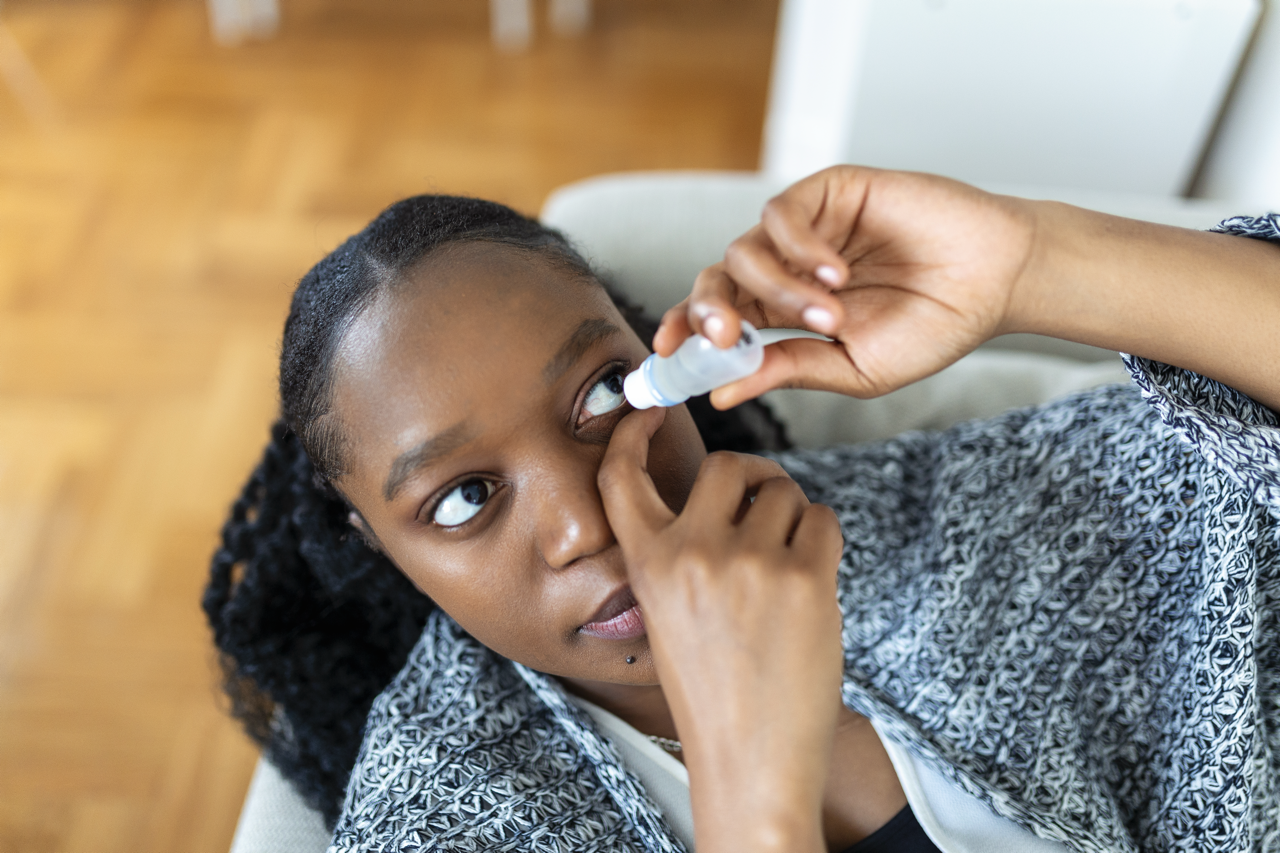
Raised pressure on its own is not a diagnosis. It means we monitor you more closely and repeat measurements, because pressure fluctuates through the day. If the optic nerve and visual field also show change, we start treatment, usually with daily drops that lower pressure.
Glaucoma cannot be reversed, but it can be halted. Almost every patient who keeps their sight does so because someone tested them before symptoms arrived. If you are in Uyo or anywhere in Akwa Ibom, book a screening and get a baseline on record.
Talk to our team at Canon Eye Clinic.
Book a consultation online or join our free screening this Saturday in Uyo.