Red eye: when to see an eye doctor urgently
Some red eyes settle with simple care, while pain, light sensitivity or reduced vision can signal an emergency. Know the difference.
A red eye may come from dryness, allergy or a mild infection, but redness is a sign rather than a diagnosis. The safest response depends on what you feel, what happened before it started and whether your vision has changed.
Avoid sharing eye drops or buying a strong medication based only on the colour of the eye. Steroid-containing drops can worsen some infections and should only be used under professional supervision.
Get urgent care for these warning signs
Seek prompt assessment if redness comes with eye pain, sensitivity to light, reduced or hazy vision, a severe headache, nausea, an injury, chemical exposure or a feeling that something is stuck in the eye.
Contact lens wearers with a red or painful eye should remove the lens and be examined promptly because corneal infection can progress quickly.
What you can do safely while arranging care
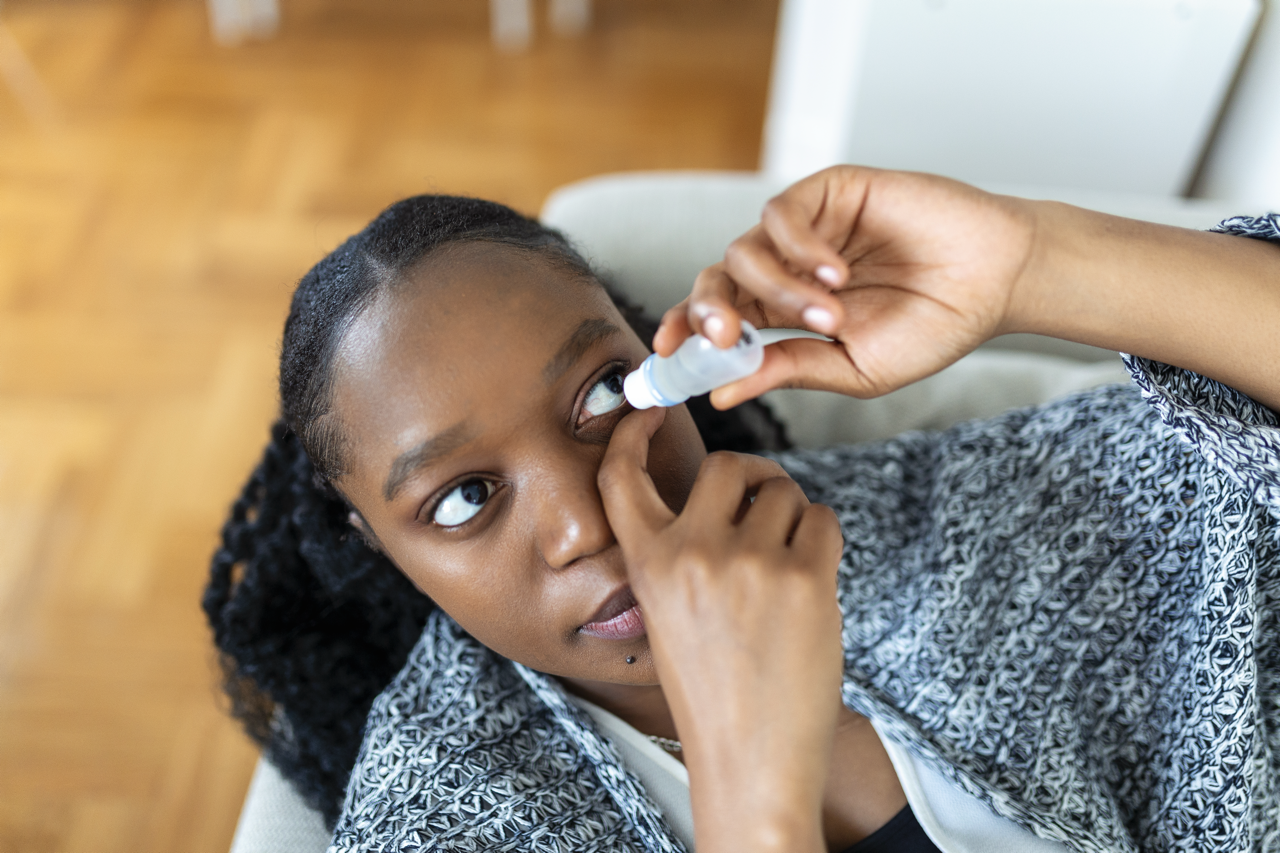
Do not rub the eye. Stop contact lens wear and keep the lenses and case for the clinician to review. A clean cool compress may soothe itching, while preservative-free lubricating drops may help simple dryness.
If a chemical enters the eye, rinse continuously with clean running water and seek urgent medical care. Do not delay rinsing while looking for a clinic.
Why an examination matters
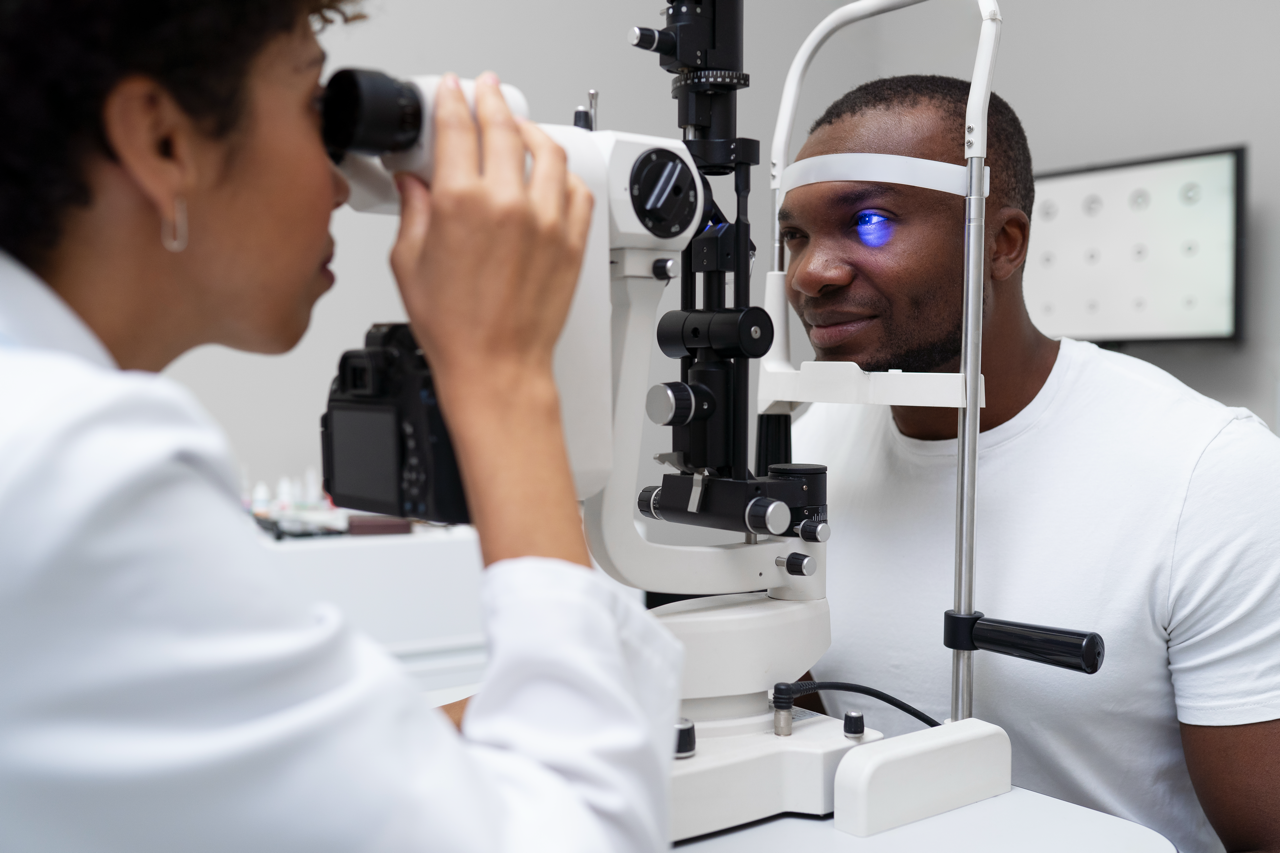
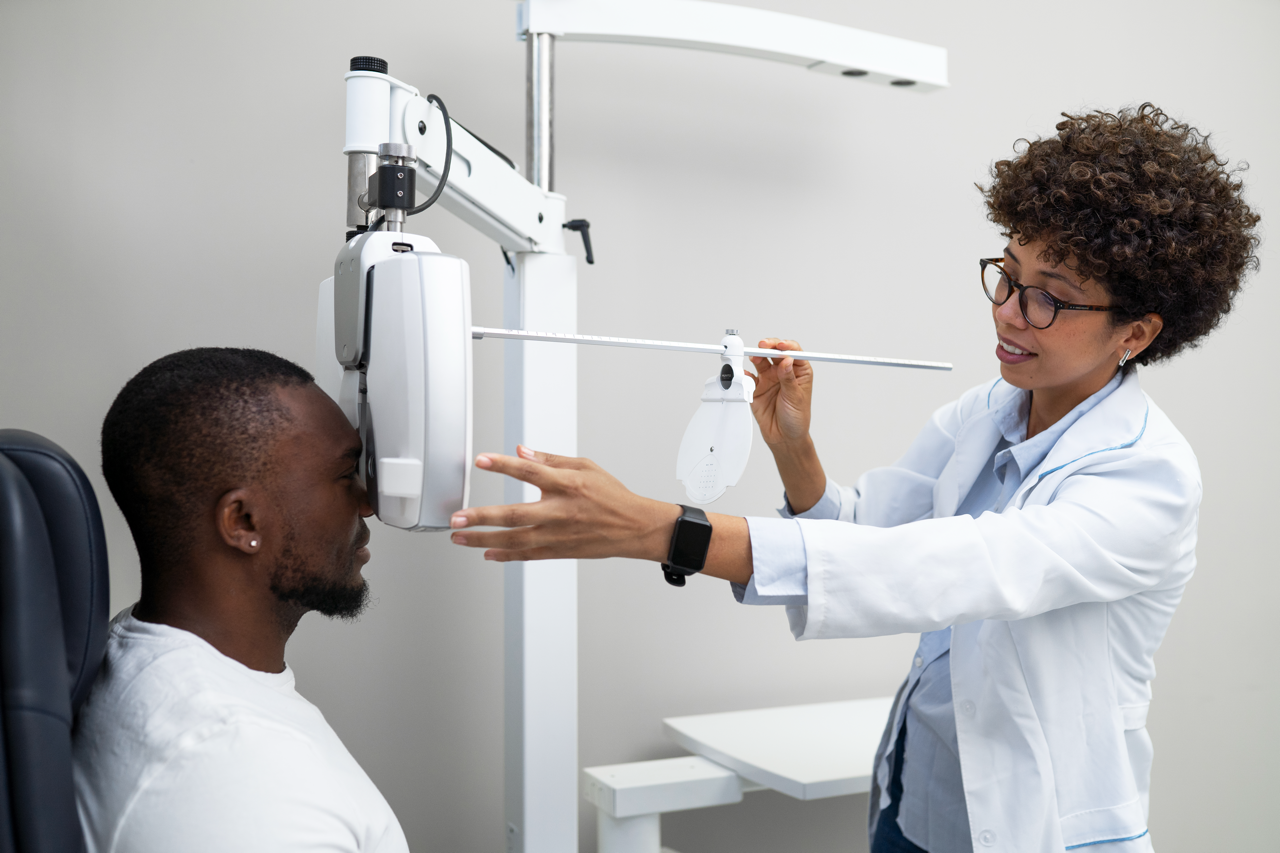
Different causes of redness can look similar without magnification. A slit lamp examination allows the optometrist to inspect the eyelids, conjunctiva and cornea, then choose treatment based on the likely cause.
If symptoms are mild but do not improve, or keep returning, book an eye examination rather than repeatedly treating yourself.
Talk to our team at Canon Eye Clinic.
Book a consultation online or join our free screening this Saturday in Uyo.
Book consultation